Source Distressed Cotton Mens Sweatpants for gyms, travel, and casual wear
Explore 30 listings for Distressed Cotton Mens Sweatpants featuring options in pure cotton and fleece with varying weights. Buyers can compare customization, printing methods, and seasonal suitability across suppliers in China.
Key considerations
Products List

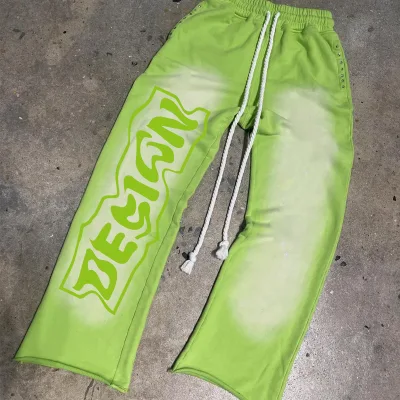
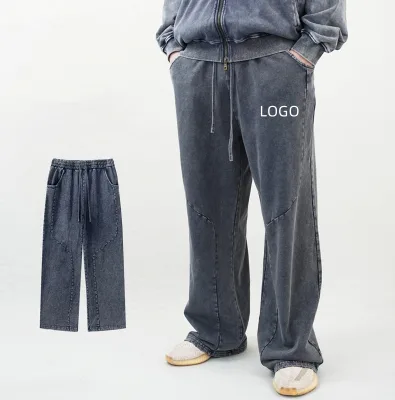
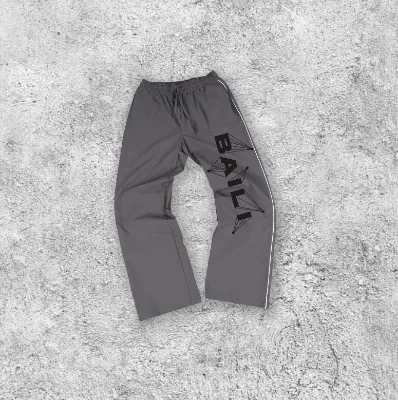


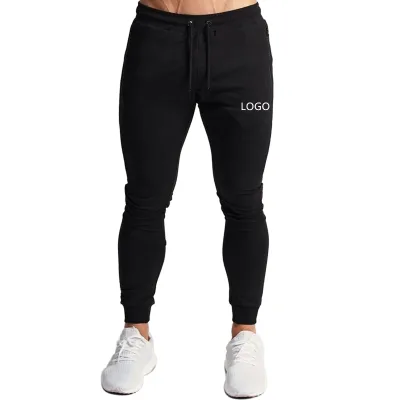


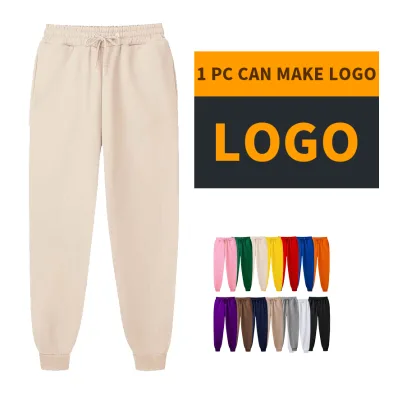
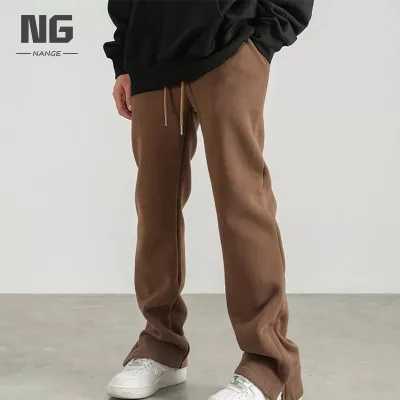


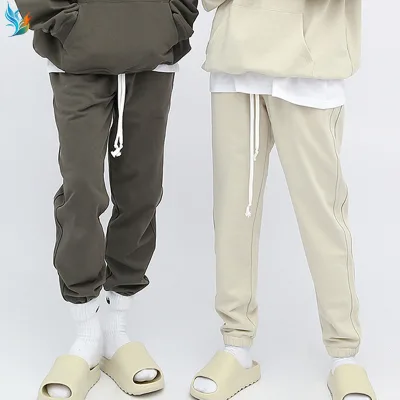
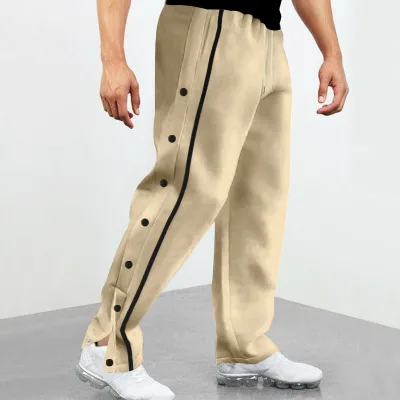
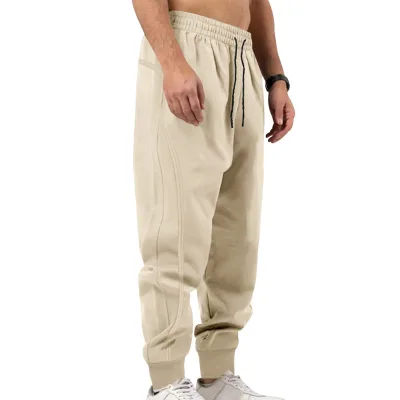

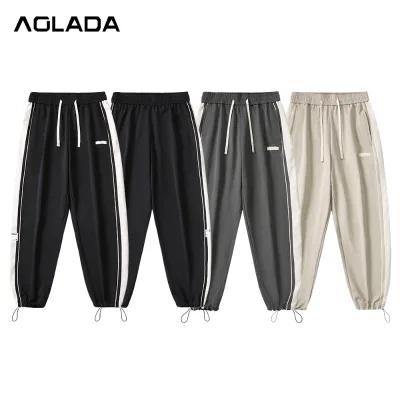
Hot Selling Fashion Fitness Stretch Jogger Sweatpants Custom Printed Casual Sweatpants Mens
$11.00 - $19.60
MOQ: 100 pieces

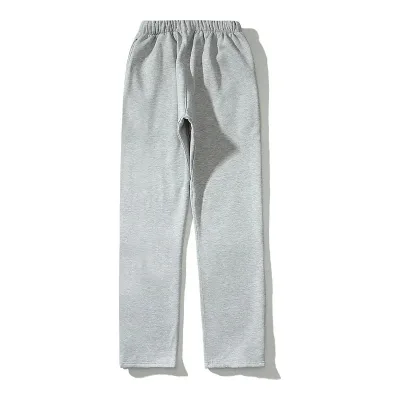
Custom design cotton men's sweatpants embroidered logo loose casual style
$10.19 - $12.23
MOQ: 100 pieces

Sweatpants for Men - Oversized Heavyweight Men's Blank Cotton Wide-Leg Double-Waist Loose
$10.50 - $12.50
MOQ: 30 Pieces


Comprehensive Sourcing Guide
Sourcing Guide for Distressed Cotton Mens Sweatpants
The global market for casual menswear continues to prioritize comfort and durability, with distressed cotton sweatpants emerging as a staple item for both streetwear and leisure segments. For procurement professionals, sourcing this specific category requires a nuanced understanding of material composition, finishing techniques, and supply chain capabilities. The core keyword "Distressed Cotton Mens Sweatpants" implies a product that combines the softness of natural fibers with specific aesthetic treatments designed to create a worn-in look. This guide provides a structured approach to evaluating suppliers, verifying product attributes, and managing the procurement lifecycle for this item type, ensuring that buyers make decisions based on observable facts rather than marketing claims.
Technical Specifications and Material Composition
When evaluating Distressed Cotton Mens Sweatpants, the primary technical differentiator lies in the fabric composition and the specific finishing processes applied. The supplied data indicates a strong prevalence of pure cotton and 100% cotton materials in this category. This is a critical observation for buyers seeking authentic natural fiber products, as cotton offers superior breathability and eco-friendly characteristics compared to synthetic blends. However, the market also presents variations in fabric weight and type. Some listings specify "Worsted" fabric types, while others indicate "fleece" or "knitted" weaving methods. Buyers must verify the exact fabric weight, as observed ranges include specific metrics like 400 grams, which suggests a heavyweight option suitable for winter seasons, contrasting with "lightweight" variants intended for spring or autumn wear.
The construction of the garment is equally vital. The data highlights a mix of closure types, including "Elastic Waist" and "Drawstring" options, which cater to different fit preferences. Front styles vary between "Pleated" and "flat" designs, influencing the silhouette and drape of the pants. Additionally, the "Long Pants" length is a consistent specification, though the "Mid" waist type suggests a specific fit profile that may not suit all body types. The "Loose" style is frequently mentioned, aligning with current trends for relaxed fits. Buyers should request physical samples to confirm the "Worsted" or "fleece" texture, as the tactile feel significantly impacts the final product's perceived quality and comfort.
Aesthetic Finishing and Customization Capabilities
The "distressed" aspect of the product is achieved through specific washing and decoration techniques. The observed data lists "Distressed" and "acid wash" as primary wash methods, which are essential for creating the vintage aesthetic. These processes often involve mechanical abrasion or chemical treatments to fade the fabric and create wear patterns. Complementing the wash, the decoration options include "Vintage" styling and "stripe" patterns. The customization capabilities are extensive, with "Customization: Available" being a high-confidence fact. This allows buyers to tailor the product to their brand identity through various printing methods.
The supply chain data reveals a diverse array of printing and decoration techniques, including "Heat-Transfer Printing," "Silk screen printing," and "Puff Printing." Furthermore, "Embroidered" techniques are noted, offering a more permanent and textured alternative to surface printing. The "Logo position" data specifies locations such as the "Waist," "LEFT LEG," and "Right Leg," providing clear guidelines for branding placement. For buyers seeking unique designs, the availability of "custom" colors and the "OEM Service" supply type are significant advantages. It is important to note that while "Heat-Transfer Printing" and "Silk screen printing" are observed, the specific suitability of each method for distressed fabrics should be verified with the supplier, as some techniques may not adhere well to heavily washed surfaces.
Seasonal Adaptability and Functional Attributes
Sourcing sweatpants requires careful consideration of seasonal performance. The product data explicitly lists "Winter," "Autumn," and "Spring" as applicable seasons, indicating that the category is not limited to a single time of year. This versatility is driven by the variation in fabric thickness. The observed specifications include both "Lightweight" and "Heavyweight" options. The "Heavyweight" variants, potentially linked to the 400-gram fabric weight, are ideal for winter conditions, providing necessary insulation. Conversely, "Lightweight" options are better suited for spring and autumn, ensuring breathability without overheating.
Functional attributes further enhance the utility of these garments. The "Feature: Breathable" and "Feature: Breathable, Eco-Friendly" tags highlight the natural advantages of cotton. For buyers targeting eco-conscious markets, the "Eco-Friendly" attribute is a key selling point, though it should be backed by verifiable supply chain data. The "Needle detection: Yes" attribute is a critical safety feature, ensuring that no metal fragments remain in the finished product, which is a standard requirement for many retail markets. Additionally, the "Single Package Size" of 45X35X5cm and "Single Gross Weight" of 0.850kg provide essential data for logistics planning and shipping cost calculations. Buyers must ensure that the packaging method, described as "Flat Pack a," aligns with their storage and display requirements.
Cost Drivers and Supply Chain Parameters
Understanding the cost structure of Distressed Cotton Mens Sweatpants is essential for effective budgeting. The observed price range in USD spans from 1.4 to 25, a wide spectrum that reflects differences in material quality, customization complexity, and order volume. The "MOQ range" of 1 to 5000 indicates high flexibility, allowing both small startups and large retailers to source this product. However, the "Supply Type: OEM Service" suggests that the final cost will be heavily influenced by the level of customization required. Custom colors, specific embroidery, and unique printing methods will likely push the price toward the higher end of the observed range.
Lead times and sample availability are other critical cost drivers. The data presents a dichotomy regarding sample orders: one entry states "7 days sample order lead time: Not Support," while another states "7 days sample order lead time: Support." This inconsistency highlights the importance of direct communication with suppliers to confirm their current sample policies. Buyers should not assume that a 7-day turnaround is universally available. Furthermore, the "Place of Origin" is listed as both "Guangdong, China" and "Jiangxi, China," indicating that manufacturing hubs vary. These regions have different labor costs and logistical efficiencies, which can impact the final unit price. Buyers should request detailed breakdowns of costs, including material, labor, and finishing, to understand the value proposition of each supplier.
Supplier Evaluation and Quality Assurance
Evaluating suppliers for Distressed Cotton Mens Sweatpants requires a rigorous approach to quality assurance. The presence of "Needle detection: Yes" is a positive indicator of a supplier's commitment to safety standards, but it should be part of a broader quality control protocol. Buyers should verify the supplier's ability to maintain consistency in the "Distressed" and "acid wash" processes, as these treatments can vary significantly between batches. Inconsistent washing can lead to uneven fading or fabric damage, which would result in high return rates.
The "Technics: WASHED" and "Technics: Embroidered" attributes suggest that the supplier must have specialized machinery and skilled labor to execute these processes correctly. For buyers, this means requesting a detailed quality control plan that outlines how defects are identified and managed. The "Single Package Size" and "Flat Pack a" specifications also serve as quality benchmarks; if the packaging is inconsistent, it may indicate poor handling or storage practices. Additionally, the "Customization: Available" feature requires a robust communication channel to ensure that the final product matches the buyer's design specifications. Buyers should establish clear acceptance criteria for color accuracy, print placement, and fabric weight before placing large orders.
Long-Term Procurement and Compliance Considerations
For long-term procurement success, buyers must consider the scalability and compliance of their supply chain. The "OEM Service" model offers flexibility, but it also requires a strong partnership with the supplier to manage changes in demand. The "Place of Origin" data suggests that buyers may need to navigate different regional regulations and trade agreements depending on the specific manufacturing location. While the "GOTS" certification is mentioned in the background data, it is categorized as low-confidence and should not be assumed as a fact. Buyers must independently verify any environmental or social certifications, such as GOTS or Oeko-Tex, to ensure compliance with their target market's regulations.
The "Feature: Eco-Friendly" attribute is a growing trend, and buyers should seek suppliers who can provide evidence of sustainable practices, such as water recycling in the washing process or the use of organic cotton. The "100% Cotton" and "Pure Cotton" specifications are strong starting points, but buyers should verify the source of the cotton to ensure it meets their sustainability goals. Finally, the "Single Item" selling unit suggests that the product is often sold individually, which may impact packaging and shipping strategies. Buyers should plan for efficient logistics to minimize costs while maintaining product integrity throughout the supply chain. By focusing on these long-term considerations, buyers can build a resilient supply chain that delivers high-quality Distressed Cotton Mens Sweatpants consistently.
FAQs
What materials are used for Distressed Cotton Mens Sweatpants?
These sweatpants are primarily made from pure cotton or 100% cotton materials. Some listings specify Worsted fabric types, while others use fleece or knitted weaving methods to achieve the desired texture and comfort.
Can I customize the logo position on these sweatpants?
Yes, customization is available with specific logo positions on the waist, left leg, and right leg. Buyers can also request custom colors and utilize various printing methods like heat-transfer or silk screen printing for branding.
Which washing techniques create the distressed look?
The distressed aesthetic is achieved through specific wash methods including distressed, acid wash, and general washed techniques. These processes mechanically or chemically treat the fabric to create a vintage, worn-in appearance suitable for casual wear.
What are the available lead times for sample orders?
Sample order lead times vary by supplier, with some supporting a 7-day turnaround while others do not support this timeline. Buyers must verify specific sample policies directly with manufacturers before placing orders to ensure alignment with project schedules.
How does the fabric weight affect seasonal suitability?
Fabric weight determines seasonal performance, with heavyweight options around 400 grams suitable for winter and lightweight variants for spring or autumn. This variation ensures breathability in warmer months while providing necessary insulation during colder seasons.
What are the standard packaging dimensions for these items?
Standard single package sizes are typically 45x35x5cm with a gross weight of 0.850kg per unit. The items are packed in a flat pack format, which facilitates efficient storage and shipping logistics for bulk orders.
Which closure types are offered for the waistband?
The waistband closure types include elastic waist and drawstring options to accommodate different fit preferences. These features ensure a secure and comfortable fit, often paired with a mid-waist type and loose style for casual comfort.
What safety checks are performed on the finished products?
Safety checks include needle detection to ensure no metal fragments remain in the finished garments. This process is a standard requirement for many retail markets to guarantee product safety and compliance with quality assurance protocols.